The part a product page cannot do for you
The short answer
Owning the right tool is half of home grooming. Using it without hurting the dog is the other half. These guides cover the procedures: blade sizes, clipper technique, nail trimming, blowing out a double coat, and what to do when it goes wrong.
A buying guide can tell you which clipper to get. It cannot tell you why your clipper leaves tram lines down your dog’s back, why the blade got hot enough to worry you, which direction to work in on a doodle’s face, or how to tell that the coat you are about to clip is matted badly enough that clipping it is now a veterinary question. That is what this section is for.
Where to start
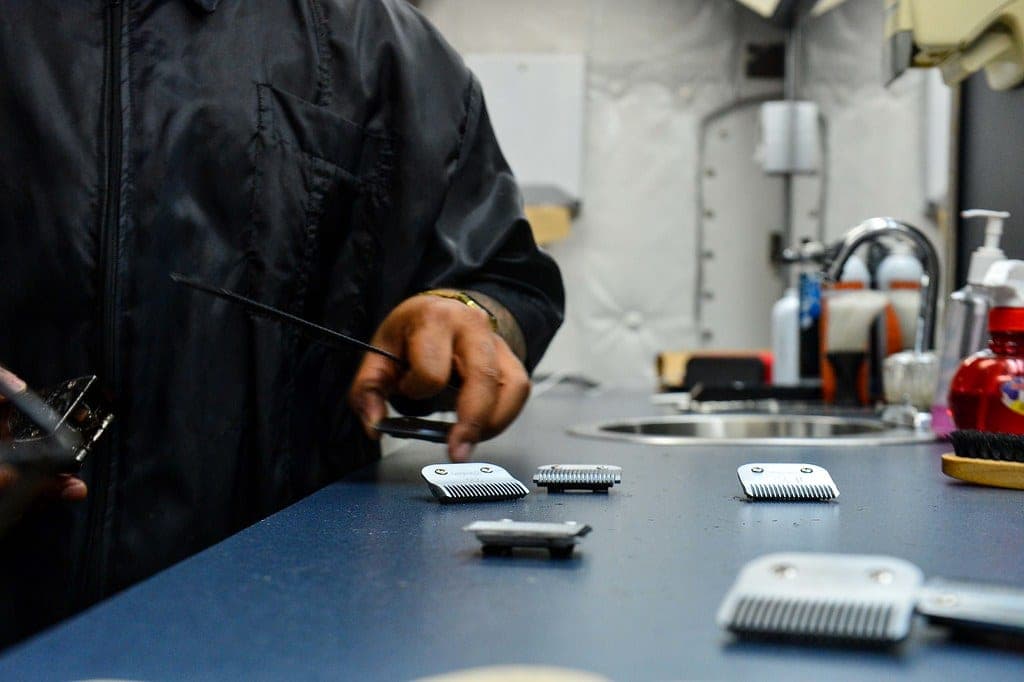
If you have never groomed a dog at home, start with the reference pages and work outwards. The blade size chart is the single most useful page on this site for a new owner, because blade numbering is counter-intuitive and choosing wrong is how people accidentally shave a dog to the skin. If you are still deciding whether to do this at all, what grooming costs versus doing it yourself lays out the real arithmetic, including the tool spend you will not get back in the first year.
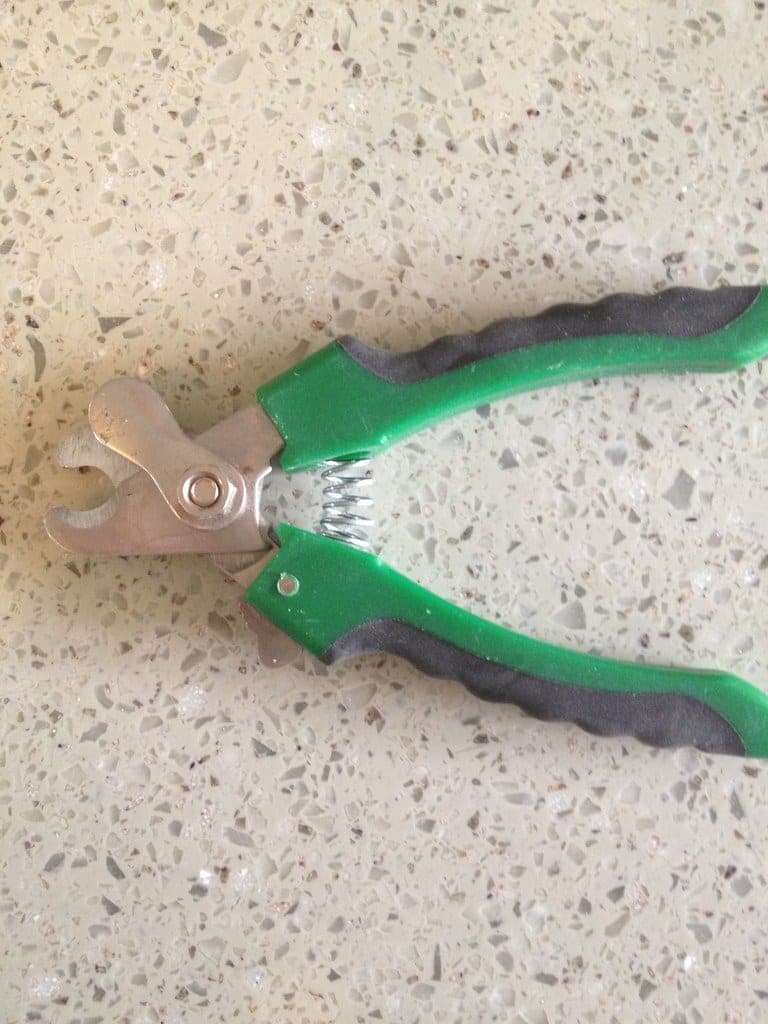
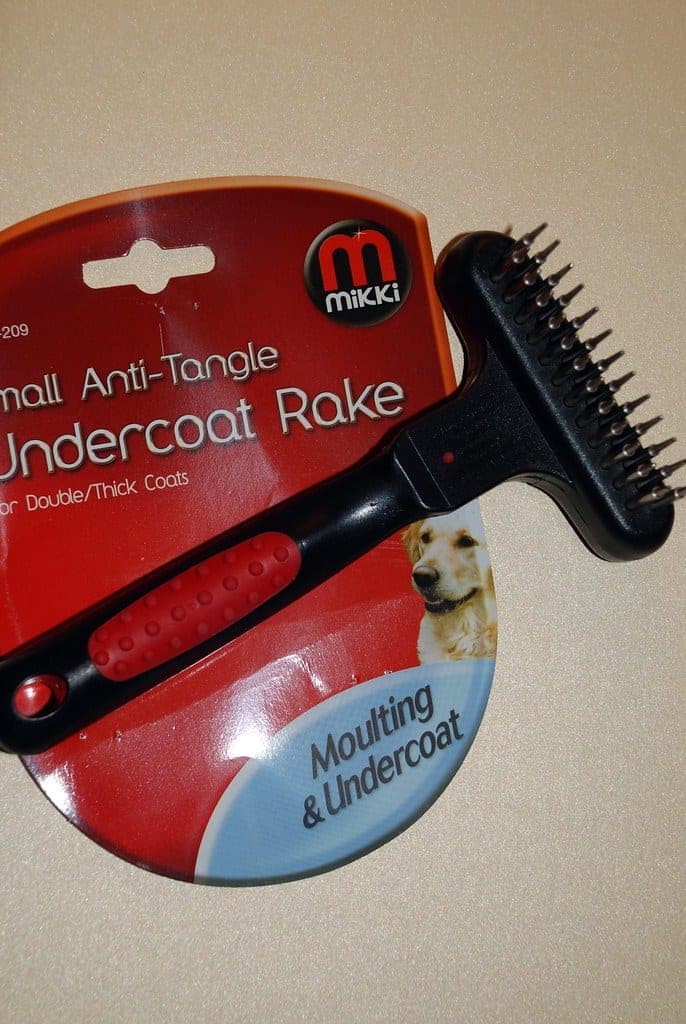
From there the guides split into three rough families. Technique guides cover how to physically do a job — clipping, nail trimming, blowing out a coat, line brushing. Troubleshooting guides cover the thing that just went wrong: clippers overheating, tracking lines, clipper burn, a coat that has matted faster than you expected. Planning guides cover what to buy and when to do it — starter kits, grooming schedules by coat type, what professional groomers actually use.
How these are written
Every procedure here is written for someone who is holding the tool, standing next to the dog, and wants to know what to do next. That means short steps in the order you do them, the specific thing to watch for at each step, and an explicit statement of where the line is between a home job and a job for a professional or a vet. Where a figure appears — a blade length, a temperature, a decibel level — it is sourced and the source is named at the bottom of the page.
What you will not find is a claim that we tested any of this under controlled conditions on our own dogs. We did not, and saying otherwise would be the easiest thing on the site for anyone to falsify. The methodology is documented in full on how we review, and our editorial policy states what we will and will not say.
When to stop and call a professional
Three situations that are not DIY
A coat matted to the skin. If a comb will not pass between the mat and the skin, there is no safe way to brush it out at home; the mat has to be clipped off underneath, which means working a blade against skin you cannot see. Groomers do this routinely. A first-timer should not.
A dog that cannot be handled. If a dog is genuinely panicking rather than objecting, stop. A frightened dog near a clipper or a grinder is how both of you get hurt, and every bad session makes the next one harder.
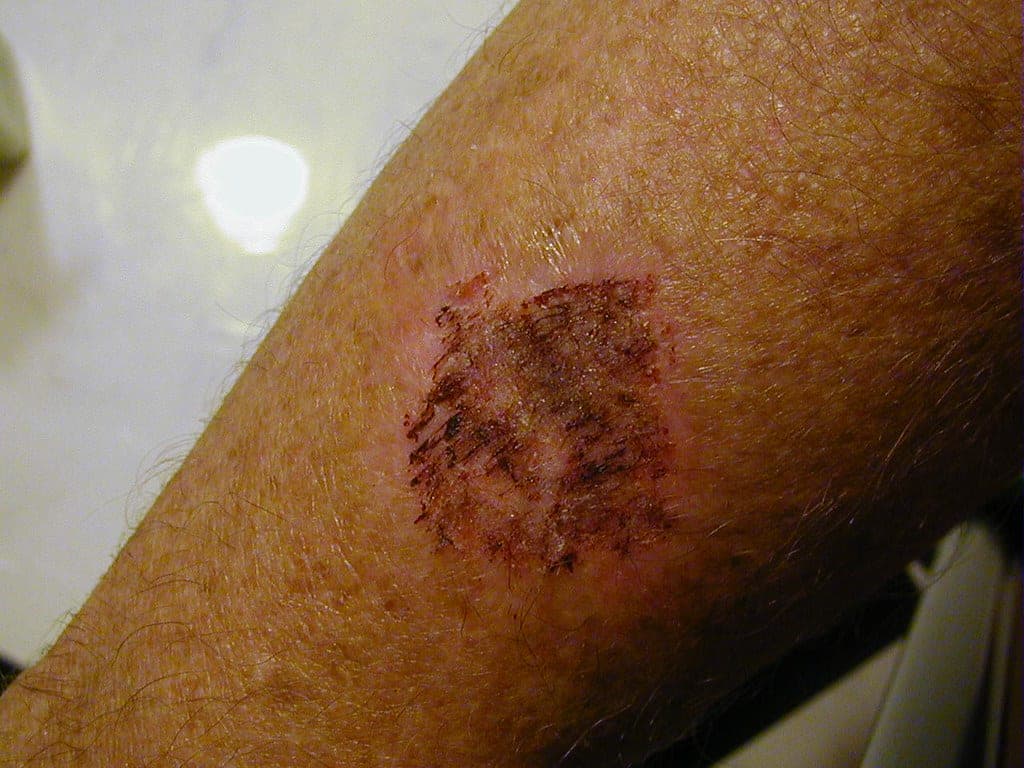
Anything involving blood, broken skin or a hot spot. That is a vet visit, not a grooming problem.