Answer one question first
The short answer
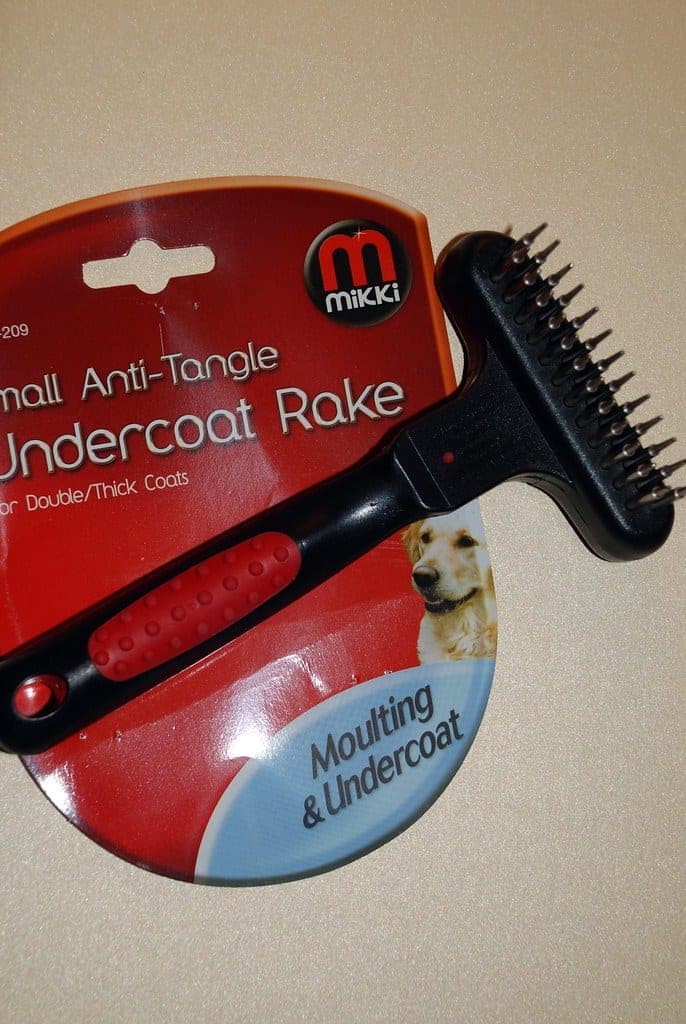
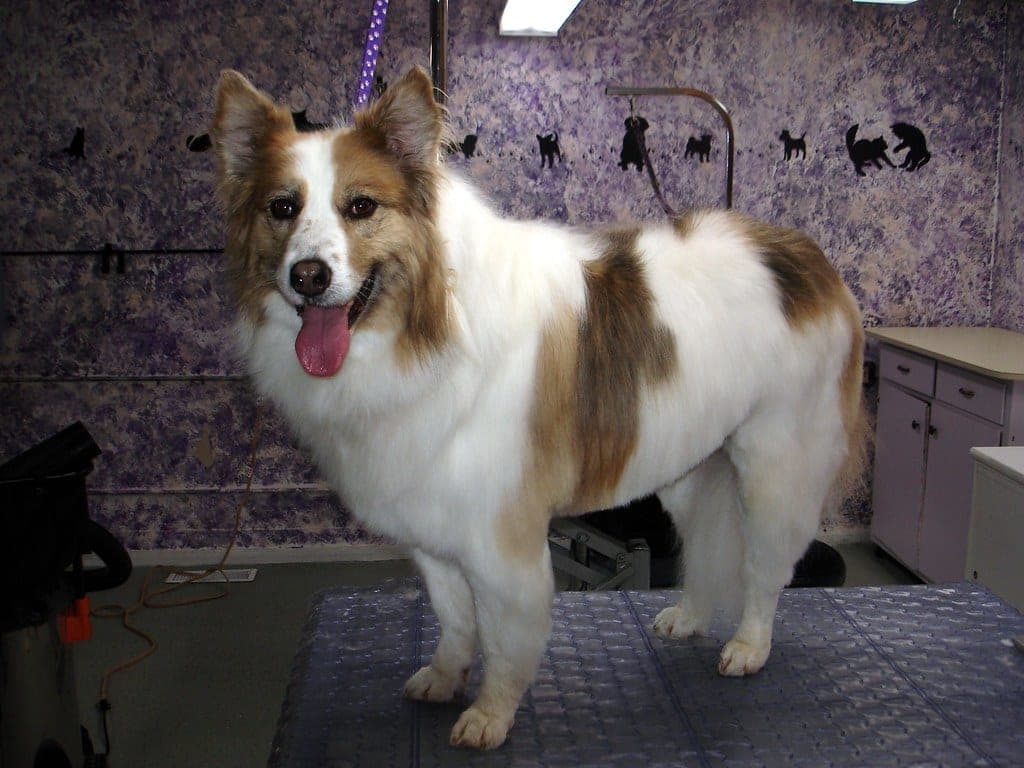
Find out whether the dog’s coat sheds or grows. A shedding dog (Husky, Golden, Shepherd) needs a rake and a dryer; a growing coat (doodle, poodle, Bichon) needs a slicker brush, clipper and dryer. The two sets barely overlap, and the wrong one is a present that sits in a cupboard.
You can usually settle it with one text message, or by looking at the dog. If hair gets on everything, it sheds. If the owner books a groomer every couple of months to have it cut, it grows. If you cannot find out, buy the nail grinder — it is the one item above that works for every dog alive.
This page is for you if
You are buying a present for someone else’s dog and you do not know this category. A birthday, Christmas, a new-puppy present, or a thank-you for someone who looks after your dog.
You are on the wrong page if
You are buying for yourself. Start from the starter kit guide, which puts the same tools in buying order rather than gift order.
Matching the gift to the dog
The gift that can go actively wrong
Do not buy clippers for a double-coated dog. Clipping a Husky, Samoyed, Shepherd or Golden removes the coat’s insulation and sun protection, and it may not grow back the same way. A well-meant clipper set can genuinely lead to a permanently damaged coat — it is the one present on this list with a real downside. The reasoning is on the double coat page.
The other near-miss: a deshedding blade for a doodle. There is no undercoat to remove, and the blade cuts the coat. Harmless to the owner’s wallet, not harmless to the dog’s coat.
What makes a grooming gift get used
Three things, in our experience of what this category gets wrong. First, it addresses a job they already do — nails, brushing, drying — rather than inviting them to take up a new one. Second, it is a quality upgrade on a tool they own cheaply, because the difference is immediately obvious. Third, it does not need storage they do not have: a dryer is a brilliant present for someone with a garage and an awkward one for someone in a small flat.
What does not get used: twelve-piece kits (one mediocre clipper and eleven things to throw away), anything requiring the recipient to learn a skill they have not asked to learn, and tools for a coat type the dog does not have.
If you want to spend less
The nail grinder and the shears are the two items here that work as modest presents, and both address a real gap. A steel grooming comb is cheaper still and is the tool most doodle owners are missing without knowing it — it is how you check that brushing actually reached the skin. Pair any of those with a bag of the treats their dog likes and you have a present that will be used this week.
If you want to spend more
A force dryer for a thick-coated dog, or a grooming table for someone already doing full grooms. Both are deferred purchases: the owner knows they want one and has not got round to justifying it, which is the ideal shape for a significant gift. Check storage space before committing to either.
Pick you know the coat type if
- →Match the gift to the row in the table above
- →Shedding coat: rake or dryer. Growing coat: slicker, shears or dryer
- →Already grooming at home: a table or a dryer is the upgrade they want
Pick you do not know the coat type if
- →Buy the nail grinder — every dog needs its nails done
- →Or a steel grooming comb, which suits every coat that is not short
- →Avoid clippers entirely until you know; they are the one gift that can do harm
What to remember
- →Find out whether the coat sheds or grows. That one fact decides everything.
- →Coat type unknown: buy the nail grinder. It applies to every dog.
- →Never buy clippers for a double-coated dog — clipping can damage that coat permanently.
- →Never buy a deshedding blade for a doodle — there is no undercoat to remove.
- →The best gifts upgrade a tool they already own cheaply.
- →Check storage space before buying a dryer or a table.
How this page was put together
We define the coat problem the tool has to solve, shortlist products currently sold, compare the manufacturers’ documented specifications against what that coat actually needs, and cross-check against published findings from named sources. We do not test these tools on our own dogs under controlled conditions, and we will not say we do. Where a figure comes from a manufacturer, we name them; where it comes from someone else’s testing, we cite them. We print no prices — a stale number is worse than none. Read the full method.