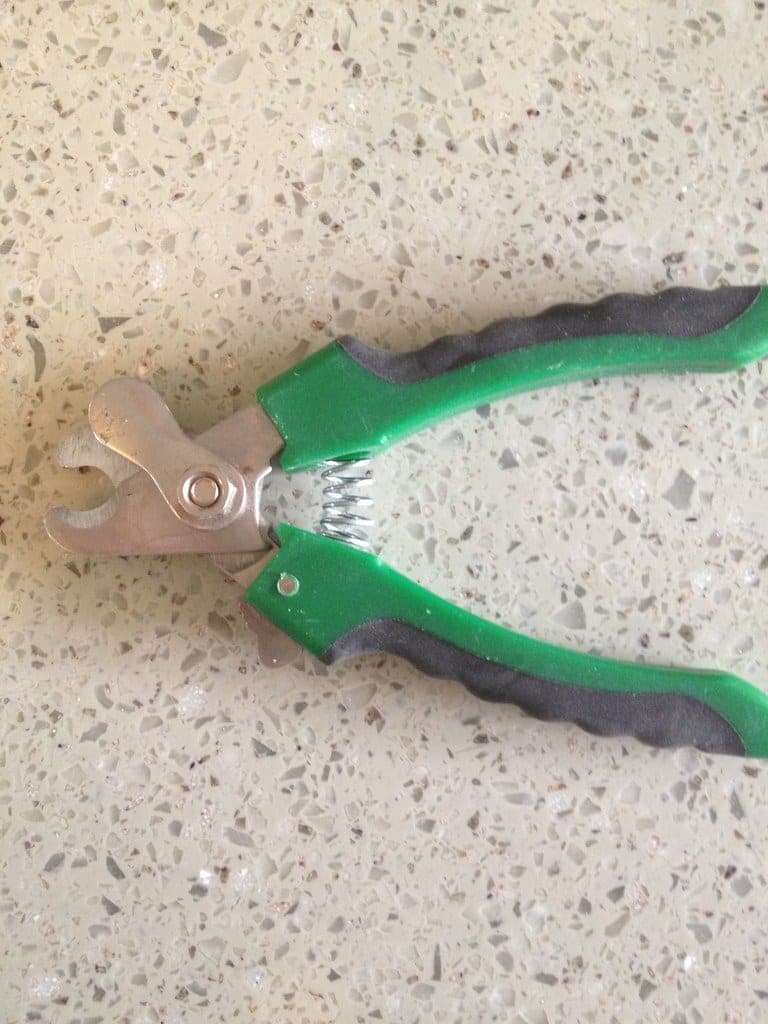
Grinder or clipper?
The short answer
A grinder removes nail gradually and leaves a smooth edge, which makes it far harder to hit the quick and much safer on thick or black nails. A clipper is faster, quieter and better for thin nails and dogs who will not tolerate vibration. Most owners are better served by a grinder; most nervous dogs are better served by a clipper.
Nails are the job home groomers dread most, and the reason is the quick — the blood vessel and nerve running down the center of the nail. Cut into it and you get bleeding, pain, and a dog who remembers. That single fear is why so many dogs end up with nails long enough to change how they stand and walk, which over time loads the toe joints wrongly and is a genuine welfare issue, not a cosmetic one.
The right tool removes most of the risk. A rotary grinder takes off a fraction of a millimeter at a time, so you can work in small passes and stop the moment you see the quick’s shadow appear. You physically cannot take off too much in one movement the way you can with a clipper. That is the whole argument, and it is the reason this section leads with grinders.
How this section divides
Dog size is the real divider, because it changes nail diameter and therefore how much material has to come off:
What decides the price
Very little, in absolute terms — this is the cheapest category on the site, and the spread between a budget grinder and a good one is small enough that there is no reason to buy at the bottom. What you are paying for is battery life, how little the unit vibrates, how quiet it runs, and whether the grinding drums are a standard size you can buy replacements for. A grinder with a proprietary drum you cannot source in two years is a false economy. A dual-speed unit is worth the small premium because the low setting is how you introduce the tool.
The mistake almost everyone makes
Taking too much off in one session
If nails are overgrown, the quick has grown out with them. You cannot shorten them to a correct length in one go without hitting it. The answer is small amounts, often — a little every week or two for several weeks, which lets the quick recede behind the shortening nail. Rushing it is painful and counter-productive.
Keep styptic powder or a styptic pencil within reach before you start. Bleeding happens even to careful people, and having the stop-bleed in the drawer in the next room rather than on the table is how a small mistake becomes a bad experience for the dog.
The second mistake is holding the grinder on one nail too long. Friction generates heat, and the nail conducts it straight to the quick. Work in bursts of a couple of seconds per nail, rotating around the paw, rather than finishing one nail completely before moving on. On long-coated dogs, also keep the coat clear of the spinning drum — hair wraps, and it pulls.