For when you are down to exactly two
The short answer
Each comparison here ends in a decision, not a summary. Both products get the same treatment, then the page says plainly: pick A if these things are true of your dog, pick B if these are. There is no “it depends on your needs” ending.
Comparison pages are the most useful and the most abused format in product writing. Done badly they are two spec sheets printed next to each other, with a conclusion that avoids committing. Done properly they are the fastest way to settle a purchase, because a reader who has already narrowed to two options does not need more information — they need the one distinction that separates the two choices, stated clearly.
Three kinds of comparison
Model versus model. Two specific products a lot of people cross-shop — Andis against Wahl, Dremel against Casfuy, one dryer against another. These usually come down to one or two real differences hiding behind a long list of similar specs.
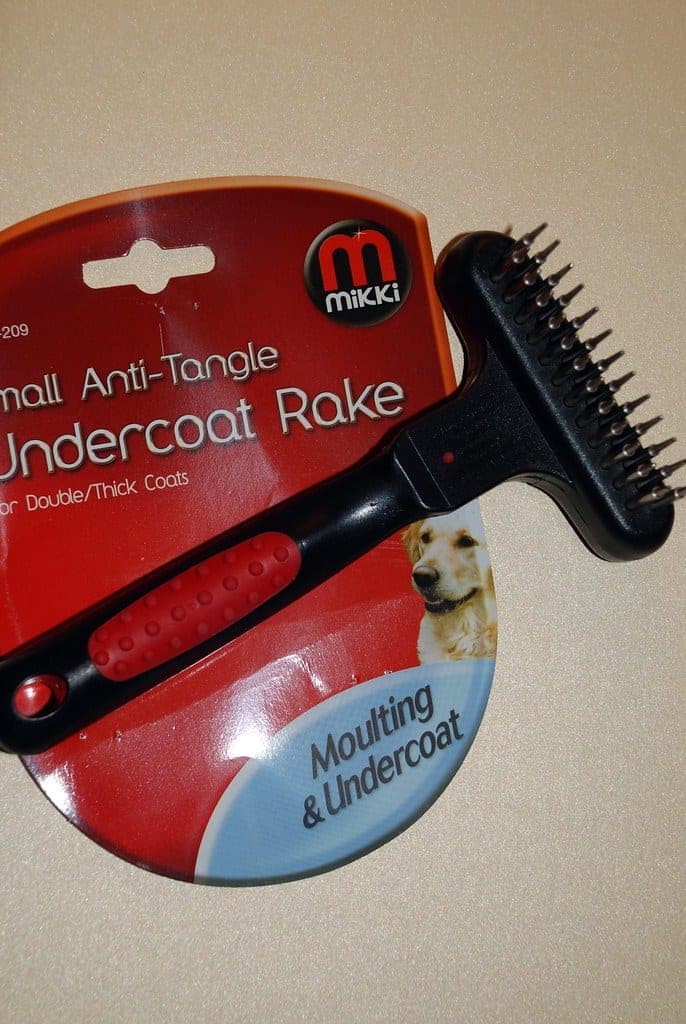
Category versus category. Grinder or clipper for nails. Undercoat rake or FURminator. Slicker or pin brush. High-velocity dryer or hair dryer. These are the more important comparisons, because buying the wrong category costs more than buying the second-best model within the right one.
Approach versus approach. Clipper blades against guard combs, dog clippers against human clippers. These are the questions where the cheaper option is sometimes genuinely fine and sometimes actively unsafe, and the page’s job is to say which.
How a comparison is decided
Every comparison on this site carries the products being compared, with a buy link for each, because a reader weighing two specific products is the closest to buying of anyone on the site. The decision itself is driven by the same thing that drives the rest of the site: the coat. A comparison that would resolve differently for a doodle and for a Husky says so explicitly rather than averaging the two into a non-answer.
Specifications come from the manufacturers’ published documentation and are cited. Where two products are genuinely close, the page says they are close and names the tiebreaker — usually blade availability, battery replaceability, or how loud the thing is. Where one is clearly better, it says that too.
Before you compare, check the category
It is worth being sure you are comparing inside the right category before you start. If you are not certain your dog’s coat needs a clipper at all, the coat-type pages settle it in about a minute, and the double-coat page in particular talks a lot of owners out of a purchase they would have regretted. If you want the field rather than a pairing, start from the hub roundups: clippers, dryers, nail care, deshedding or tables and vacuums.