Surface-dry is not dry
The short answer
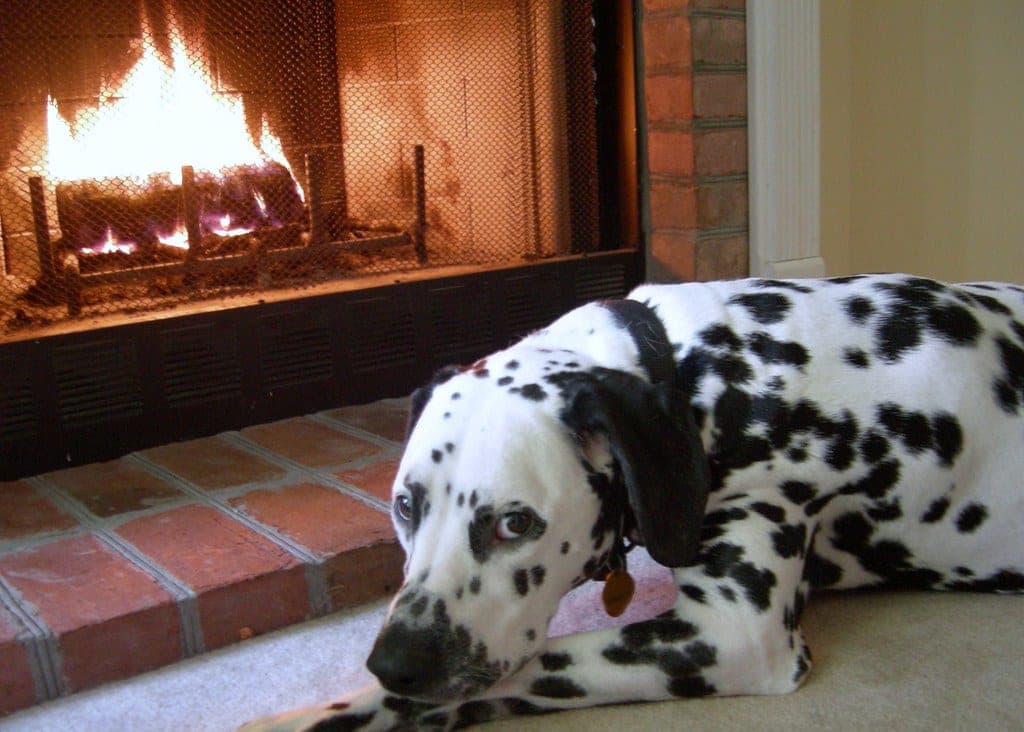
A towel-dried double or curly coat feels dry on the outside and is still wet against the skin, sometimes for hours. Warm, damp skin under a dense coat with no airflow is the condition that produces hot spots, and it also means the coat will not brush or clip properly. Drying to the skin is the job.
This is the part of bathing that people skip, and it is the part with actual consequences. A Golden Retriever that air-dries in the house after a bath can still be damp at skin level four hours later. That is plenty of time for a hot spot to start, and it is why the smell comes back within a day of a bath on a thick-coated dog.
Method by coat type
The towel part matters more than you think
Blot and press rather than rubbing. Rubbing a long or curly coat with a towel tangles it, and on a doodle that tangling is the beginning of a mat. Squeeze water out of the coat with the towel, working section by section, and get as much out mechanically as you can before any air is involved — every bit of water you remove with a towel is time saved on the dryer.
Microfiber towels hold several times their weight in water and are worth having for this, but any towel used correctly beats a good towel used as a scrubbing cloth.
Using a force dryer to dry rather than to deshed
Drying is a gentler job than a full blow-out: you are moving water rather than hunting undercoat. Same rules, lower intensity — start low and far away, work along the lie of the coat, keep the nozzle moving, do the head last on the lowest setting with your hand as a shield, and never aim air into ears, eyes or nose.
On a curly coat, add brushing: dry with the dryer in one hand and a slicker in the other, brushing the section you are drying. This straightens the hair as it dries, which is both the finish a clipper needs and the most effective matting prevention there is.
The hair-dryer question
A human hair dryer on the cool setting is acceptable for a short, smooth coat in a warm room, kept moving. That is the whole of the exception.
On the heat setting, or on a thick coat, it is a bad idea: the element reaches temperatures that burn skin you cannot see under a coat, and the airflow is far too low to part a dense coat, so it warms a wet dog — the worst combination there is. Full comparison on force dryer versus hair dryer.
If you have no dryer at all
Towel thoroughly, in sections, then rake or comb the coat open so air can move through it, then keep the dog somewhere warm and moving rather than curled up in a bed. On a double coat, raking a damp coat open makes a real difference to how fast it dries at the skin. It is still slower and less complete than a dryer, which is the honest reason the dryer is on this site’s list of things worth buying for a thick-coated dog.
What to remember
- →Surface-dry is not dry. Damp skin under a dense coat is what causes hot spots.
- →Blot and press with the towel; never rub a long or curly coat.
- →Double and curly coats need a force dryer to reach the skin.
- →On a curly coat, brush while you dry — it straightens and prevents mats.
- →A cool hair dryer is fine on a short smooth coat only.
- →No dryer: towel in sections, rake the coat open, keep the dog warm and moving.
How this page was put together
We define the coat problem the tool has to solve, shortlist products currently sold, compare the manufacturers’ documented specifications against what that coat actually needs, and cross-check against published findings from named sources. We do not test these tools on our own dogs under controlled conditions, and we will not say we do. Where a figure comes from a manufacturer, we name them; where it comes from someone else’s testing, we cite them. We print no prices — a stale number is worse than none. Read the full method.