Short-haired dogs shed more than people expect and respond to almost none of the tools sold for shedding. The loose hair is at the surface, so the tool has to work at the surface.
A fine, close-set stainless edge that reaches the skin, in a dedicated short-hair variant sized per dog. The FURejector button clears the edge in one press.
Scores are our own editorial assessment, not a product rating from reviews or testing. We do not print prices — every button goes to the current one on Amazon. #ad
The short answer
The short answer
Buy the SleekEZ for a slick short coat such as a Boxer or Staffie, where loose hair sits at the surface. Buy the short-hair FURminator instead if your dog is short-coated but has a dense layer underneath — a Labrador, Beagle or Corgi.
This page is for you if
Your dog has hair under about an inch long, your house is still full of it, and the rakes and deshedders you have tried seem to do nothing.
Why most shedding tools do nothing on a short coat
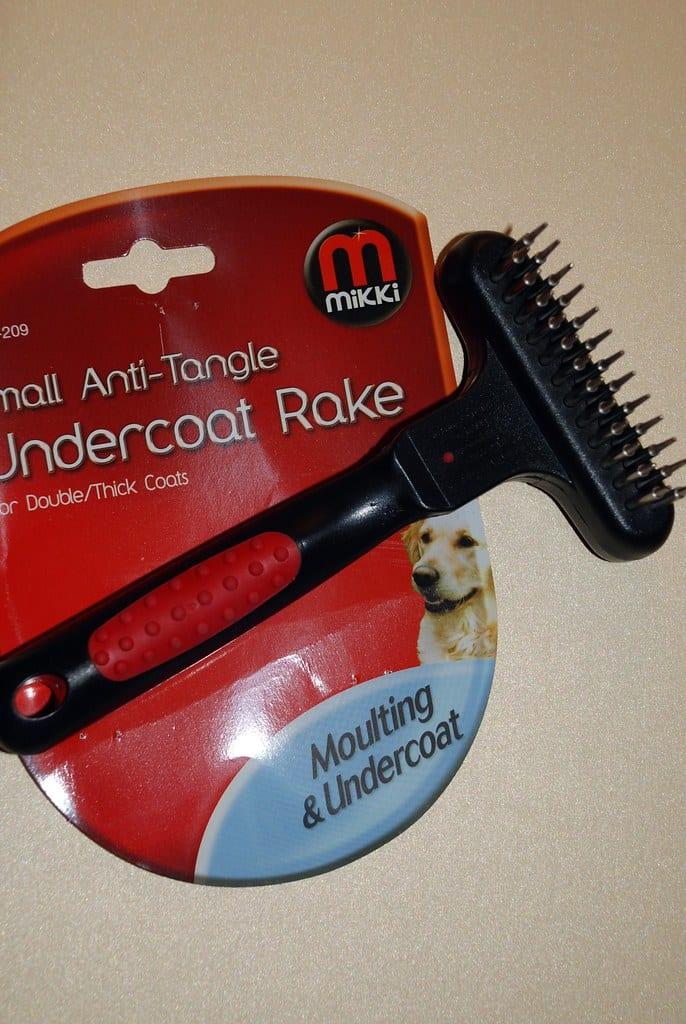
Walk into a pet shop and almost everything sold for shedding is a rake: long tines designed to pass through a guard coat and lift undercoat from a dense layer an inch or more below the surface. On a Husky that is exactly right. On a Boxer there is nothing an inch down. The tines pass straight through to the skin, catch nothing, and the owner concludes that their dog is simply a heavy shedder with no solution.
A short coat sheds differently. Each hair releases from the follicle and then sits in the coat, held loosely by the hairs around it, until friction knocks it out — onto the sofa, usually. The job of the tool is therefore to create that friction deliberately, at the surface, and catch what it lifts. That is a shallow blade or a fine pin bed, not a rake. It is also why a FURminator versus SleekEZ comparison is the right decision to be making on this coat, and a rake comparison is not.
Slick coat or short double coat? The answer changes
“Short-haired” covers two genuinely different coats, and getting this wrong is why people buy the wrong tool twice.
Breed groupings and the parting test are this site's own; tool characteristics follow the manufacturer and review sources cited below.
On a short coat the hair you want is already loose. The tool's job is to lift and hold it, not to dig.
How to use a surface tool so it actually works
Three things separate a session that produces a handful of hair from one that produces a bag of it, and none of them is the tool.
Work a dry coat. Wet hair stretches, clings and breaks instead of releasing, so deshedding a damp dog both removes less and damages more. If you are bathing, deshed first, bath second.
Go with the grain, in short strokes. Short hair lies in a clear direction and a surface tool only engages when it runs along that direction. Against the grain you are scraping skin; across it you are breaking hairs.
Overlap strips rather than scrubbing one. Two passes over a strip takes the loose hair. Eight passes takes the loose hair plus some of the coat. Move on as soon as the tool stops filling — the full procedure for every coat type is on the deshedding guide.
A short coat has almost no protection on the skin
On a Boxer or a Vizsla there is barely a millimetre of hair between a metal edge and skin. Press down and you will leave the dog sore and sometimes bruised, and the first sign is a dog that will not stand for the next session. No pressure, short strokes, and stop if the skin pinks up. The hair on the floor is not worth a dog that dreads being groomed.
The one upgrade that beats any brush
If your dog has a short double coat and the seasonal drop is the problem rather than background shedding, the highest-leverage purchase is not a better brush — it is a high-velocity dryer used after a bath. Blown air drives loose undercoat out from the skin upward in a way no hand tool matches, and on a Labrador in April the difference is not subtle. See the dryer roundup and the blow-out procedure.
For a slick single coat, skip that. There is no undercoat to blow out, and a force dryer on a Staffie is an expensive towel.
What to remember
What to remember
→Rakes do nothing on a short coat. The loose hair is at the surface, not an inch down.
→Part the coat first: skin straight away means slick; a soft pale layer means short double.
The reason this beats more expensive tools on a short coat is that it is not trying to penetrate anything. A Boxer, a Staffie or a smooth Dachshund has hair an inch long at most and little real undercoat, so loose hair is sitting right at the surface waiting to be lifted. The wave edge catches exactly that and nothing else, which means you can use it twice a week without thinning the coat. Five minutes produces a startling amount of hair on a dog you thought barely shed.
Works on a slick coat9.5
Volume removed8.5
Gentleness9.0
Suitable for frequent use9.5
Value9.0
Overall9.0 / 10
What it gets right
+Gentle enough for regular use, which matters more than peak hair removal
+No moving parts and nothing to break
+Works dry on a dog that hates bath time
What it gets wrong
−Does not reach deep undercoat on a dense double coat
−Wooden block is not washable
−One size does not fit a Chihuahua and a Samoyed equally
Who should skip itSkip it as your main tool during a coat blow — it will not keep up with the volume.
#adHow we earn · We never print a price we cannot verify
02
Best for a short coat with real undercoat
FURminator deShedding tool
A fine, close-set stainless edge that reaches the skin, in a dedicated short-hair variant sized per dog. The FURejector button clears the edge in one press.
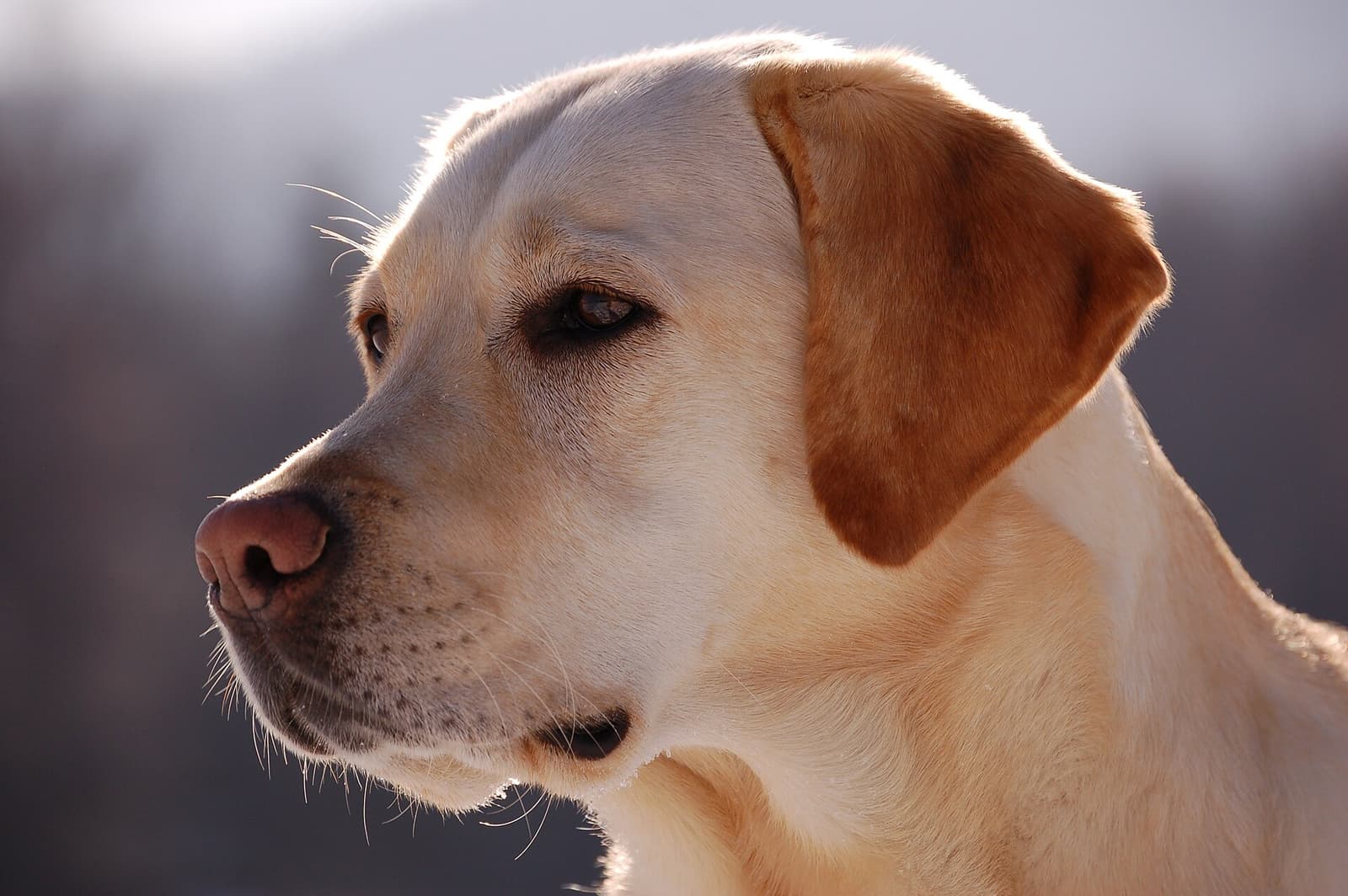
Short-coated is not the same as single-coated, and this is the distinction that decides which of the top two picks you want. A Labrador, a Beagle, a Corgi or a smooth Australian Shepherd has short guard hair over a dense soft layer, and that layer is where the shedding lives. The fine edge slides between the guard hairs and pulls it out. Buy the short-hair variant specifically, use it with no downward pressure, and stop when it stops filling.
Works on a slick coat7.5
Volume removed9.0
Gentleness6.5
Suitable for frequent use6.5
Value8.5
Overall8.3 / 10
What it gets right
+On a short or medium coat it removes more loose undercoat per minute than anything else
+The release button genuinely speeds up a big shed-out
+Buying the right size-and-length variant makes a bigger difference than people expect
What it gets wrong
−It is a blade. Over-used or used with pressure it thins and cuts the guard coat
−The wrong variant for your coat length does nothing or does damage
−Useless on a curly or felted coat
Who should skip itSkip it on a doodle, poodle or any coat that mats rather than sheds — it is the wrong category of tool.
A professional slicker is built to reach the skin through a curly coat and is overkill on a short one. This is the opposite trade: a lighter pin bed that loosens surface hair and debris without scratching skin that has almost no coat protecting it. The retracting bed matters more than it sounds, because on a short coat you are clearing the brush every thirty seconds. It is also the one tool here that is useful on a longer-coated second dog.
Works on a slick coat8.0
Volume removed7.0
Gentleness8.5
Suitable for frequent use9.0
Value9.5
Overall8.4 / 10
What it gets right
+The retract button means the brush actually gets emptied, which is why it keeps getting used
+Cheap enough to own two and keep one in the car
+Fine for routine shedding control on most coats
What it gets wrong
−Pin bed is not dense enough for serious doodle work
−Retract mechanism is the part that eventually fails
−Pins bend over time and stop reaching the skin
Who should skip itSkip it if you own a doodle that mats — buy pin density instead of a cleaning button.
Short hairs are the worst kind to lose into a house: they weave into upholstery and carpet in a way long hair does not, and they are almost impossible to pick up afterwards. A suction grooming kit changes the economics of that by catching hair at the dog rather than cleaning it up later. The suction is mild, which is a drawback on a thick coat and irrelevant on a short one, and the compact body suits a dog that will not tolerate a large unit.
Works on a slick coat8.0
Volume removed7.5
Gentleness8.5
Keeps hair off the house9.5
Value8.0
Overall8.2 / 10
What it gets right
+The compact body is easier to handle around a small dog than a full-size canister
+Cheapest route into suction grooming
+Light enough to use one-handed while steadying the dog with the other
What it gets wrong
−Suction and bin capacity are both well below the Neakasa units
−Will not keep up with a heavy double-coat blow
−Attachment quality is basic
Who should skip itSkip it for a large double-coated dog — it is sized for small breeds and will frustrate you.
+−What is the best deshedding tool for short-haired dogs?
A wave-edge deshedder such as the SleekEZ for a slick single coat, or the short-hair variant of a fine bladed deshedder for a short double coat such as a Labrador or Beagle. Undercoat rakes are the wrong tool on either — their tines are built for a coat layer a short-haired dog does not have.
+−Why does my short-haired dog shed so much?
Because short hairs are shed constantly rather than seasonally, and because they are far more visible and harder to remove from fabric than long hair. The total volume is often lower than a long-coated dog; the nuisance is higher. Twice-weekly surface deshedding removes most of it before it reaches the house.
+−Can I use a FURminator on a short-haired dog?
Yes — buy the short-hair variant in the size for your dog. Use no downward pressure and no more than a couple of passes over any strip. On a truly slick coat with no undercoat it has little to find, and a shallower wave-edge tool is a better fit.
+−How often should I deshed a short-haired dog?
Twice a week for about five minutes with a surface tool. On a short double coat, step that up to every other day while the coat is actively dropping in spring and autumn, then drop back. Frequent short sessions remove more hair over a month than one long one.
How this page was put together
We define the coat problem the tool has to solve, shortlist products currently sold, compare the manufacturers’ documented specifications against what that coat actually needs, and cross-check against published findings from named sources. We do not test these tools on our own dogs under controlled conditions, and we will not say we do. Where a figure comes from a manufacturer, we name them; where it comes from someone else’s testing, we cite them. We print no prices — a stale number is worse than none. Read the full method.