Scores are our own editorial assessment, not a product rating from reviews or testing. We do not print prices — every button goes to the current one on Amazon. #ad
Which coat are you dealing with?
The short answer
A Yorkie has the finest coat of any common breed: long, straight, single-layered and easily broken. Brush daily with a pin brush and a conditioner on a long coat, or keep a puppy cut and brush twice a week. Never use a slicker on a full-length Yorkie coat.
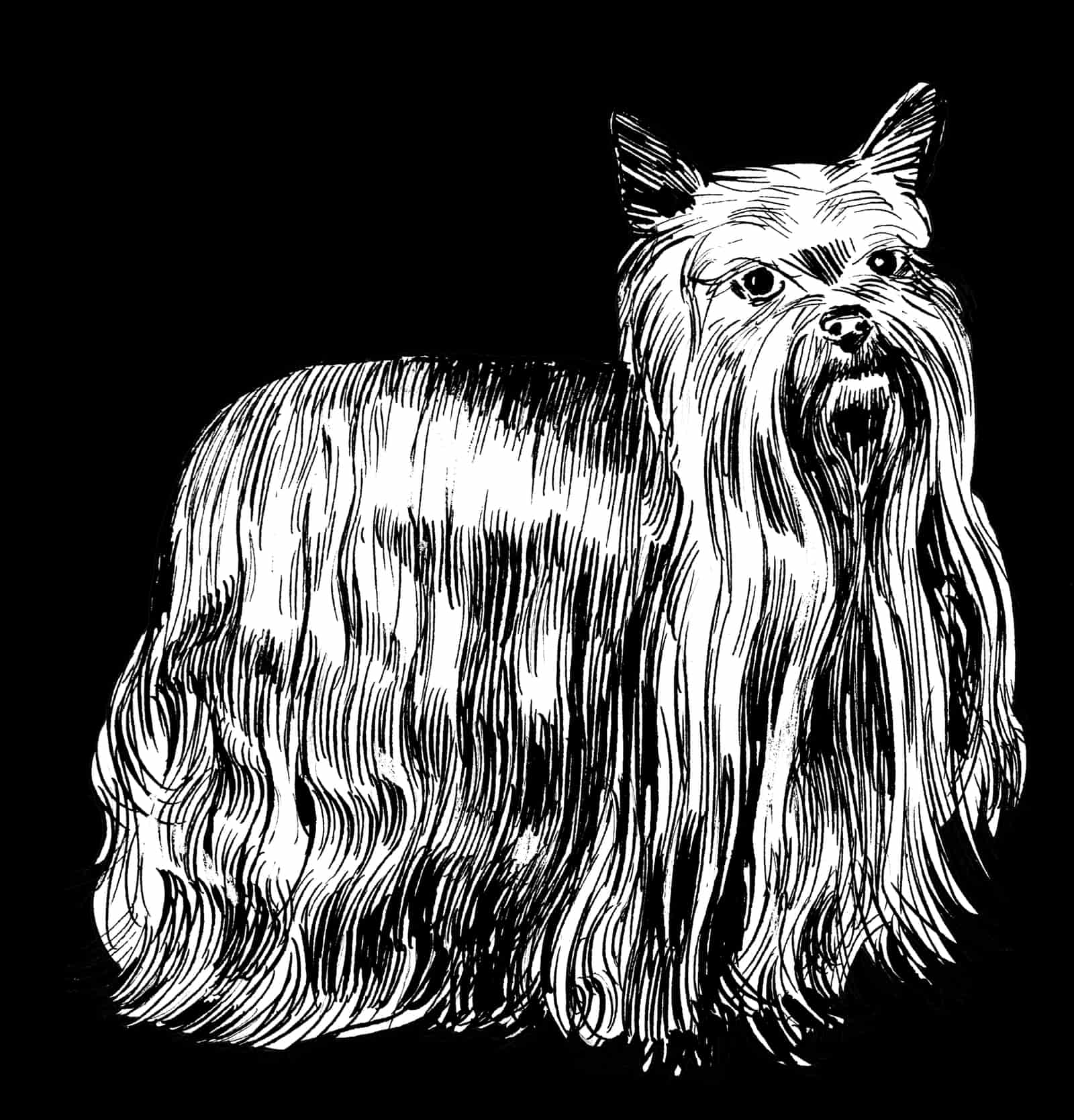
A Yorkshire Terrier has a silky coat — long, fine, single-layered hair that tangles rather than mats. Everything below follows from that, and the full set of rules for this coat type, including what will damage it, is on grooming a silky coat.
Yorkie coat is genuinely closer to human hair than to typical dog coat: a single layer of fine, straight, continuously growing hair with no undercoat. It does not shed in any meaningful way and it does not felt the way curly coat does — it tangles, and more importantly, it breaks.
At full show length the coat reaches the floor and is usually kept wrapped or oiled in competition. No pet owner needs to do this, and almost none should: the coat is beautiful and the maintenance is a daily discipline measured in years.
Yorkie coat color changes substantially as the dog matures, from black and tan to the adult blue and gold, and the texture usually improves as it does. Breakage during that period is what stops many Yorkies ever reaching length.
Yorkshire Terrier: Long, fine, single-layered hair that tangles rather than mats.
The breed-specific thing to watch
A slicker brush is what stops a Yorkie coat growing
Fine long hair snaps when a slicker's bent pins drag through it. The visible result is a coat that looks thin and ragged at the ends and never reaches the length you were aiming for, and most owners blame the dog's genetics.
On a long coat, use a pin brush and a light conditioner or detangling spray, and comb rather than brush when you hit a tangle. Once the coat is in a short pet clip, a light slicker is fine.
The routine
Task
How often
Notes
Brush
Daily on long coat, 2x a week on a pet clip
Pin brush; never a slicker on long coat
Comb
Daily
Metal comb to find what the brush missed
Topknot or face trim
Every 2-3 weeks
Hair must stay out of the eyes
Bathe
Every 2-3 weeks
With conditioner; fine hair needs it
Dry while brushing
Every bath
Low heat, pin brush, so the coat dries straight
Clip (pet cut)
Every 6-8 weeks
Small quiet clipper on a medium setting
Nails
Every 2-3 weeks
Tiny nails; a small-port grinder or guarded clipper
Pads, sanitary, ears
Monthly / weekly check
Ear hair and pad fur both need attention
Where it goes wrong on this breed
Over the eyes — the topknot area
Behind the ears
The chest, where a harness rubs
Armpits and groin
The sanitary area, which must be kept short on a long coat
Time and effort, honestly
Long coat: 10 to 15 minutes of brushing and combing daily, plus a 45 to 60 minute bath and dry every two to three weeks. Pet clip: a few minutes twice a week and a 40 minute clip every six to eight.
The coat page is the one to read in full: grooming a silky coat. From there the tool roundups cover each purchase in detail, and how to groom a dog at home walks a full session end to end. Other breeds with the same coat are listed on the breed index.
The picks in full
Every pick, in order
01
The brush that lets a Yorkie coat grow
Chris Christensen 27 mm oval pin brush
Long straight pins pass through fine hair; a slicker snaps it.
For a breed whose coat is defined by length, breakage is the whole problem, and brush choice is the main cause. 27 mm straight pins on a cushioned oval pad pass through a long single coat and lay it rather than gripping and dragging. If you want length on a Yorkie, this is where it starts.
Right for fine hair10.0
Breakage risk9.5
Handles tangles7.5
Value7.0
Overall8.9 / 10
What it gets right
+Long pins pass through a long silky coat without the drag a slicker creates
+The correct finishing tool on a Maltese, Yorkie or show-coat Shih Tzu
+Professional-grade pin seating — the pins stay put
What it gets wrong
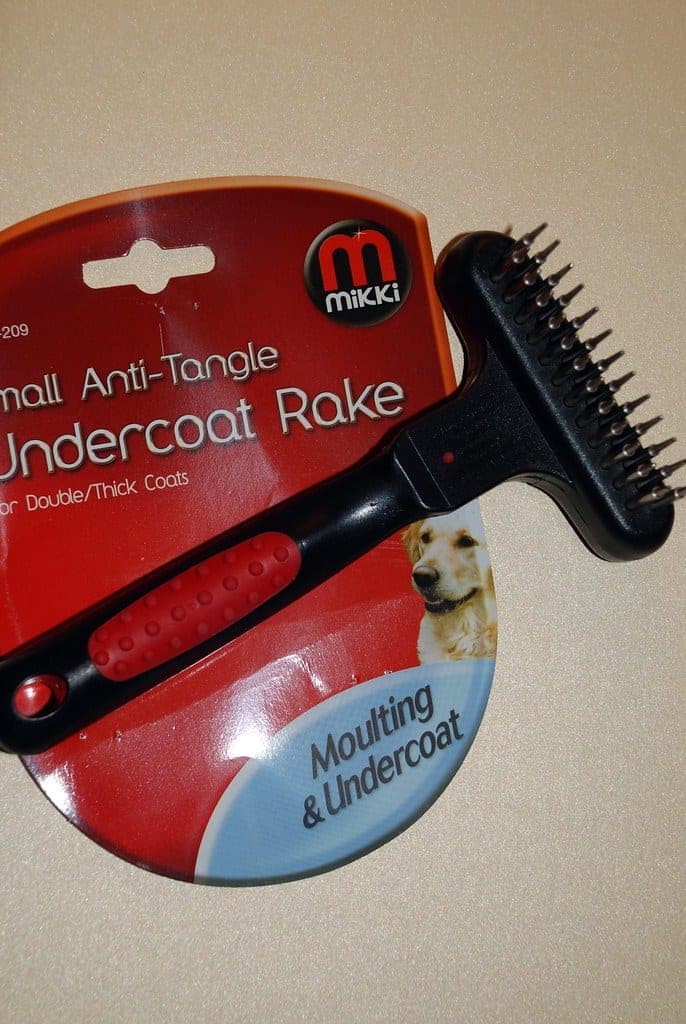
−A pin brush will not remove undercoat and should not be sold as if it does
−Does nothing for a mat
−Expensive for a brush with one job
Who should skip itSkip it on a double or curly coat — the pins skate over the surface and do nothing useful.
#adHow we earn · We never print a price we cannot verify
02
A pet clip on a tiny dog
oneisall low-noise cordless dog clippers
Quiet and trimmer-sized, which on a 6 lb dog matters far more than motor power.
Cordless low-noise trimmer-sized clipper
Power
Cordless, rechargeable
Noise
Marketed as low-noise for sensitive dogs
Size
Trimmer-sized body, one-handed
Best use
Paw pads, sanitary trims, faces, small dogs
A Yorkie's coat presents no load at all, so the only thing a clipper needs to do is be small, quiet and controllable near a face and a pair of ears. A low-noise trimmer-sized cordless unit is exactly that, and it costs very little. It is not a body clipper for anything larger.
Handling on a tiny dog9.5
Noise9.5
Length options5.0
Value9.5
Overall8.4 / 10
What it gets right
+Quiet enough that a sound-reactive dog will usually tolerate it, which is the whole reason to own it
+Small body means you can hold it like a pen for paw-pad and face work
+Cheap enough to keep as a second clipper purely for the jobs your main clipper frightens the dog with
What it gets wrong
−No real motor for body work on anything medium or larger
−Fixed cutting head, so cut length options are limited
−Short runtime relative to a full groom
Who should skip itSkip it as your only clipper on any dog over about 20 lb — it is a detail tool, not a body clipper.
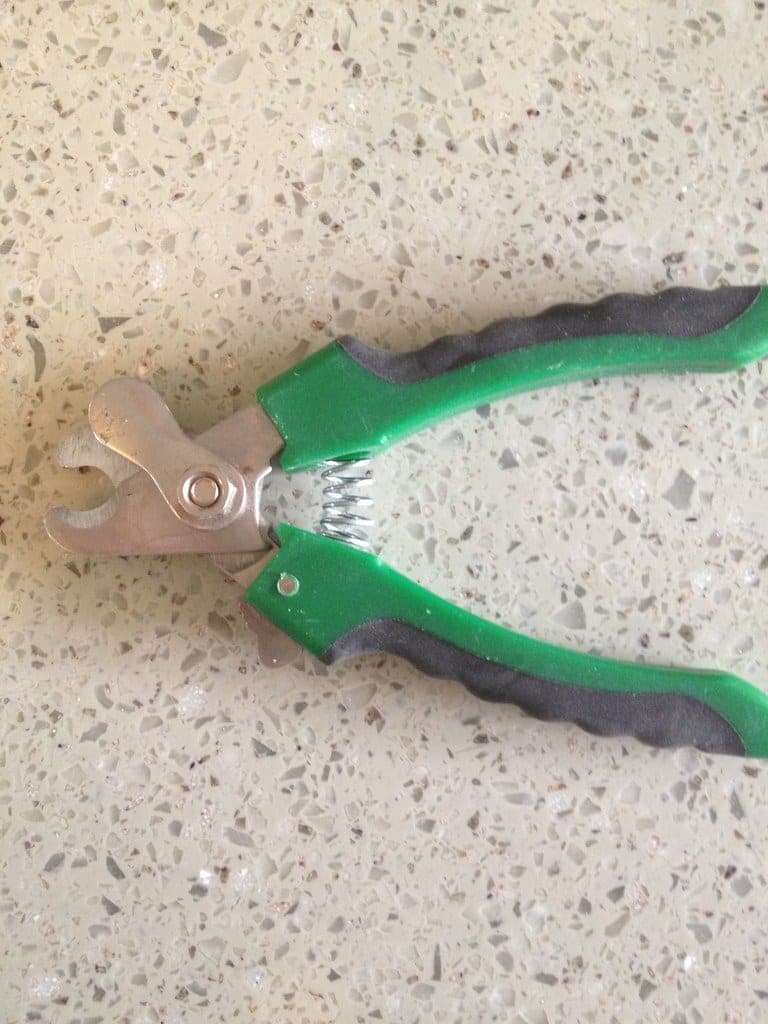
On a Yorkie nail there is barely any nail between a good trim and the quick, and a clipper with a stop that physically limits cut depth removes most of the risk for a nervous owner. The double blade with a tension spring shears from both sides rather than crushing a tiny nail.
Beginner safety10.0
Suits tiny nails9.0
Cut quality7.5
Value9.0
Overall8.9 / 10
What it gets right
+The safety stop is the single most useful feature for a first-timer worried about the quick
+The tension spring makes the cut more accurate rather than just easier
+Double blade shears from both sides, so the nail does not crush
What it gets wrong
−The safety stop limits how much you can take off a badly overgrown nail
−Spring tension is firm for small hands
−Not as sharp out of the box as a Millers Forge
Who should skip itSkip it if you are confident with the quick — the stop will slow you down.
#adHow we earn · We never print a price we cannot verify
FAQ
Questions people actually ask
+−Best clippers for Yorkie hair?
A small, light, quiet cordless unit. The coat offers no resistance, so handling and noise decide the result, not motor power.
+−Why does my Yorkie's coat never get long?
Breakage, and the usual cause is a slicker brush on a long coat. Switch to a pin brush, use a conditioner, and comb out tangles rather than brushing through them.
+−How often should a Yorkie be bathed?
Every two to three weeks, with conditioner. Fine hair gets dirty and tangles faster than coarse coat, and a conditioner substantially reduces breakage.
+−Should I keep my Yorkie's topknot or trim the face?
Either, as long as the hair stays out of the eyes. A topknot keeps the length; a face trim with ball-tipped shears is lower maintenance.
How this page was put together
We define the coat problem the tool has to solve, shortlist products currently sold, compare the manufacturers’ documented specifications against what that coat actually needs, and cross-check against published findings from named sources. We do not test these tools on our own dogs under controlled conditions, and we will not say we do. Where a figure comes from a manufacturer, we name them; where it comes from someone else’s testing, we cite them. We print no prices — a stale number is worse than none. Read the full method.