Skip to content
Clip & Coat

Deshedding & Dematting

Best Deshedding Tools for Golden Retrievers

A golden has two coats on one dog: a dense shedding body coat and long feathering that tangles. They need different tools.

By Brijon M.
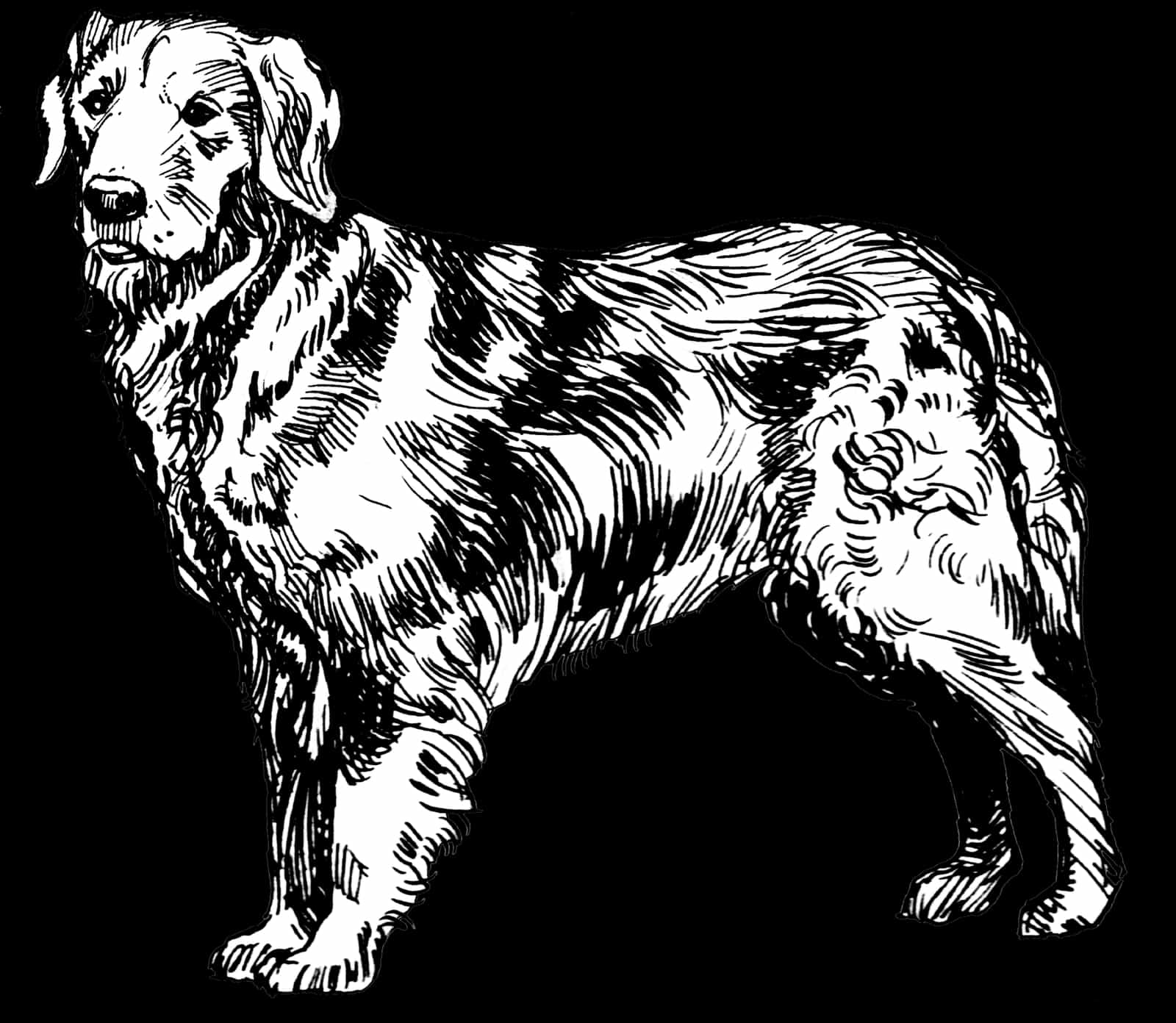
A golden retriever showing feathering on the legs and tail

Quick picks

The shortlist

Quick picks

Tap any row to jump to that pick’s full write-up. The price column goes straight to Amazon.

#ProductBest forScorePrice
1
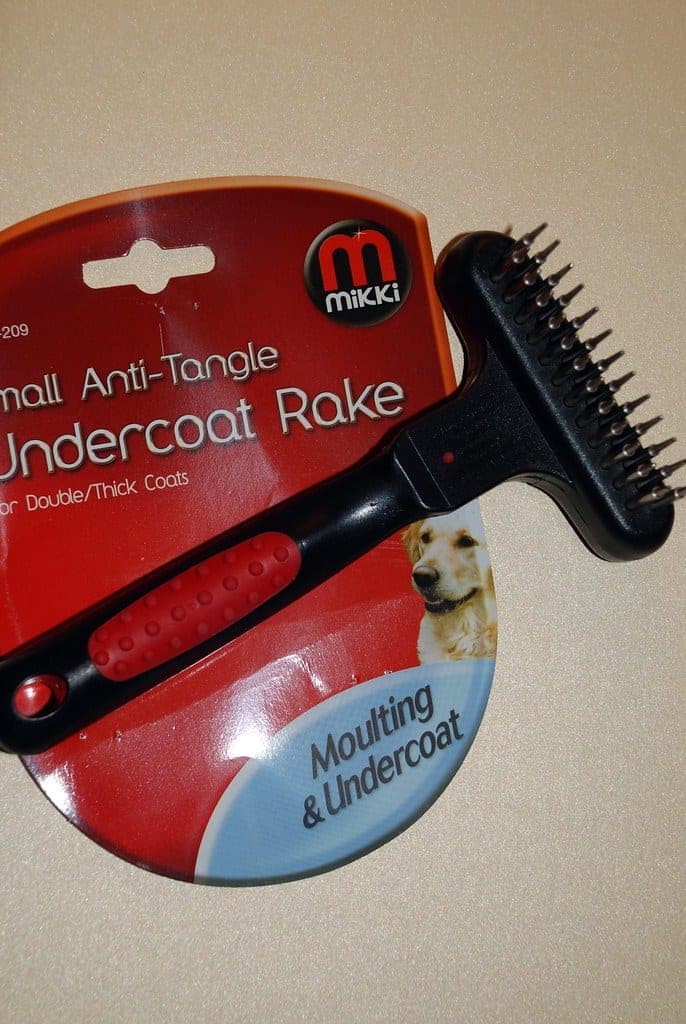
An undercoat rake pulling loose undercoat from a dense coat

FURminator dog grooming rake

Reaches the dense undercoat on the back and flanks without touching the guard coat.
Best for the body coat8.6
2
A slicker brush with fine bent pins

Chris Christensen Big G slicker brush

The legs, chest, tail and ears tangle rather than shed, and that is a dense slicker's job.

Best for the feathering8.3
3
An undercoat rake pulling loose undercoat from a dense coat

FURminator deShedding tool

On the short-coated areas during a shed, nothing clears more per minute — used lightly.

Best for the heaviest shedding weeks7.2
4
An undercoat rake pulling loose undercoat from a dense coat

Andis 66055 dematting tool (9-blade)

Nine curved blades open a set mat behind an ear with far less pull than a comb.

Best for a mat in the feathering7.0

Scores are our own editorial assessment, not a product rating from reviews or testing. We do not print prices — every button goes to the current one on Amazon. #ad

Two coats, one dog

The short answer

A golden’s back and flanks are a double coat that sheds and needs a rake. The feathering on the legs, chest, tail and ears is long single hair that tangles and needs a slicker and a comb. Owners who treat the whole dog as one coat either fail to clear the shedding or let the feathering mat.

AreaCoat typeToolFrequency
Back, flanks, hindquartersDouble, sheddingUndercoat rakeWeekly
Leg featheringLong singleDense slicker + combTwice weekly
Tail featheringLong singleSlicker, gentlyTwice weekly
Behind earsFine, mats readilySlicker, then comb to checkTwice weekly
Chest ruffMixedRake then slickerWeekly
Feet between padsGrows and collects gritSmall clipper or shearsMonthly
A golden retriever showing the long feathering on legs and tail against the shorter body coat
The long feathering is where the mats are. The short body coat is where the shedding is. Different problems, different tools.

It is a double coat. Clipping removes the guard hairs and they often grow back soft, pale and prone to matting, and the dog loses sun protection. Trimming feet, ears and sanitary areas is normal and fine; body clipping is not. See grooming a double coat.

The comb test

Once a week, run a metal comb through the feathering behind the ears, in the armpits and down the back of the hind legs. If it snags, there is a mat forming and now is when it is easy to deal with. That ten-second check prevents most of the mats golden owners eventually take to a groomer.

Full routine

On the golden retriever page, including bath frequency, the feet, and the sanitary trim. For the twice-yearly heavy shed, add a bath and a blow-out.

The picks in full

Every pick, in order

01

Best for the body coat

FURminator dog grooming rake

Reaches the dense undercoat on the back and flanks without touching the guard coat.

An undercoat rake pulling loose undercoat from a dense coat

Rotating-tine undercoat rake

Tines
Rotating, long
Works on
Thick and double coats, longer hair
Action
Lifts dead undercoat without cutting the guard coat

Specs: Furric — Best Deshedding Tool

A golden's body coat is a classic double coat and the rake is the classic answer: long rotating tines through the guard layer to the undercoat, no cutting edge, tolerable for the long sessions this breed needs. Used weekly it removes most of what would otherwise end up on the furniture.

Body undercoat9.5
Feathering and tangles5.0
Guard-coat safety10.0
Comfort for the dog9.0
Value9.0
Overall8.6 / 10

What it gets right

  • Rotating tines slide through dense undercoat instead of ripping it, so the dog tolerates longer sessions
  • Reaches deeper into a double coat than any slicker
  • Does not cut, so you cannot thin the guard coat with it

What it gets wrong

  • Slower than a bladed deshedder on short coats
  • Tines can catch on a genuine mat and need working loose
  • Does not finish — you still need a slicker and comb afterwards

Who should skip itSkip it on a short-coated dog — a bladed deshedder does that job far faster.

Check price on Amazon

#ad How we earn · We never print a price we cannot verify

02

Best for the feathering

Chris Christensen Big G slicker brush

The legs, chest, tail and ears tangle rather than shed, and that is a dense slicker's job.

A slicker brush with fine bent pins

Professional slicker brush

Pin density
About 30% more pins than a typical slicker
Sizes
Three
Best for
Doodles, poodles and long-coated breeds

Specs: Chris Christensen — Big G vs Big K slicker brushes

This is the pick golden owners most often lack. The feathering on the legs, tail, chest and behind the ears is long single-layered hair that tangles and mats — a rake does nothing for it and a bladed deshedder will cut it off. A high-density slicker that reaches the skin works through it properly, and that is exactly where a golden's mats actually form.

Body undercoat6.0
Feathering and tangles10.0
Guard-coat safety9.0
Comfort for the dog8.5
Value7.0
Overall8.3 / 10

What it gets right

  • Pin density is the whole product: more pins means fewer passes through a curly coat
  • The pins are long enough to reach skin on a doodle, which is where matting starts
  • This is the brush that makes line brushing a doodle actually feasible

What it gets wrong

  • Expensive for a brush, by a wide margin
  • Dense pin bed is harder to clean out than a self-cleaning slicker
  • Overkill on a short coat

Who should skip itSkip it if your dog has a short or smooth coat — you will never use the pin density you paid for.

Check price on Amazon

#ad How we earn · We never print a price we cannot verify

03

Best for the heaviest shedding weeks

FURminator deShedding tool

On the short-coated areas during a shed, nothing clears more per minute — used lightly.

An undercoat rake pulling loose undercoat from a dense coat

Bladed deshedding tool

Edge
Fine, close-set stainless edge
Works on
Short-to-medium coats, close to the skin
Sizes
Short-hair and long-hair variants per dog size
Feature
FURejector release button

Specs: Furric — Best Deshedding Tool

For the two or three weeks a year when the dog is dropping undercoat in volume, the bladed deshedder on the back, flanks and hindquarters removes more per stroke than a rake. Use the long-hair variant, light pressure, with the grain, and keep it entirely off the feathering and the tail where it will cut hair that takes months to return.

Body undercoat9.0
Feathering and tangles2.0
Guard-coat safety6.0
Comfort for the dog7.5
Value8.0
Overall7.2 / 10

What it gets right

  • On a short or medium coat it removes more loose undercoat per minute than anything else
  • The release button genuinely speeds up a big shed-out
  • Buying the right size-and-length variant makes a bigger difference than people expect

What it gets wrong

  • It is a blade. Over-used or used with pressure it thins and cuts the guard coat
  • The wrong variant for your coat length does nothing or does damage
  • Useless on a curly or felted coat

Who should skip itSkip it on a doodle, poodle or any coat that mats rather than sheds — it is the wrong category of tool.

Check price on Amazon

#ad How we earn · We never print a price we cannot verify

Read the full FURminator deShedding tool review

04

Best for a mat in the feathering

Andis 66055 dematting tool (9-blade)

Nine curved blades open a set mat behind an ear with far less pull than a comb.

An undercoat rake pulling loose undercoat from a dense coat

Bladed dematting tool

Blades
Nine
Best for
Dense mats on small dogs and senior coats
Action
Cuts through the mat rather than pulling it

Specs: Naming Pet — Best Undercoat Rakes

Golden mats appear behind the ears, in the armpits and in the tail feathering, and by the time you find them they are usually set. A nine-blade dematter cuts the mat apart from the outside with minimal tension on the skin, which matters on a breed whose mats sit in thin-skinned areas. It cuts permanently, so it is for mats only, never for routine brushing.

Body undercoat3.0
Feathering and tangles9.0
Guard-coat safety5.0
Comfort for the dog8.5
Value9.5
Overall7.0 / 10

What it gets right

  • Nine curved blades cut a mat apart with far less pull on the skin than a comb would
  • The right tool for an elderly dog whose skin will not tolerate tugging
  • Compact enough for behind-the-ear and armpit mats

What it gets wrong

  • It cuts coat permanently — the dematted area will look thinner
  • Blades are sharp enough to cut you as well as the mat
  • Not for routine brushing in any sense

Who should skip itSkip it for everyday maintenance — a dematter used weekly will wreck a coat.

Check price on Amazon

#ad How we earn · We never print a price we cannot verify

FAQ

Questions people actually ask

How often should I brush a golden retriever?

Body weekly with a rake, feathering twice weekly with a slicker and comb. During the twice-yearly heavy shed, body every second day.

Can I use a FURminator on a golden retriever?

On the body during a shed, in the long-hair variant and with light pressure. Never on the feathering or the tail — it cuts long hair that takes months to grow back.

Why does my golden mat behind the ears?

The hair there is finer and softer than elsewhere, it moves constantly, and it is exactly where a collar or a harness rubs. It is the first place to check and the easiest to stay on top of.

Should I trim the feathering?

Tidying the feet, the hock hair and the ear edges with shears is normal and makes the coat easier to maintain. Cutting the feathering short to reduce work changes the dog's outline and does not reduce shedding, since the shedding is from the body coat.

How this page was put together

We define the coat problem the tool has to solve, shortlist products currently sold, compare the manufacturers’ documented specifications against what that coat actually needs, and cross-check against published findings from named sources. We do not test these tools on our own dogs under controlled conditions, and we will not say we do. Where a figure comes from a manufacturer, we name them; where it comes from someone else’s testing, we cite them. We print no prices — a stale number is worse than none. Read the full method.

Sources

  1. 01Naming Pet — Best Undercoat Rakes
  2. 02Chris Christensen — Brush Guide: Slicker Brushes
  3. 03Furric — Best Deshedding Tool (coat-length variants)