Skip to content
Clip & Coat

Clippers, Blades & Shears

Best Stripping Knives for Wire Coats

On a terrier jacket, cutting is the wrong verb. You pull the dead coat out and the new one comes back correct.

By Brijon M.
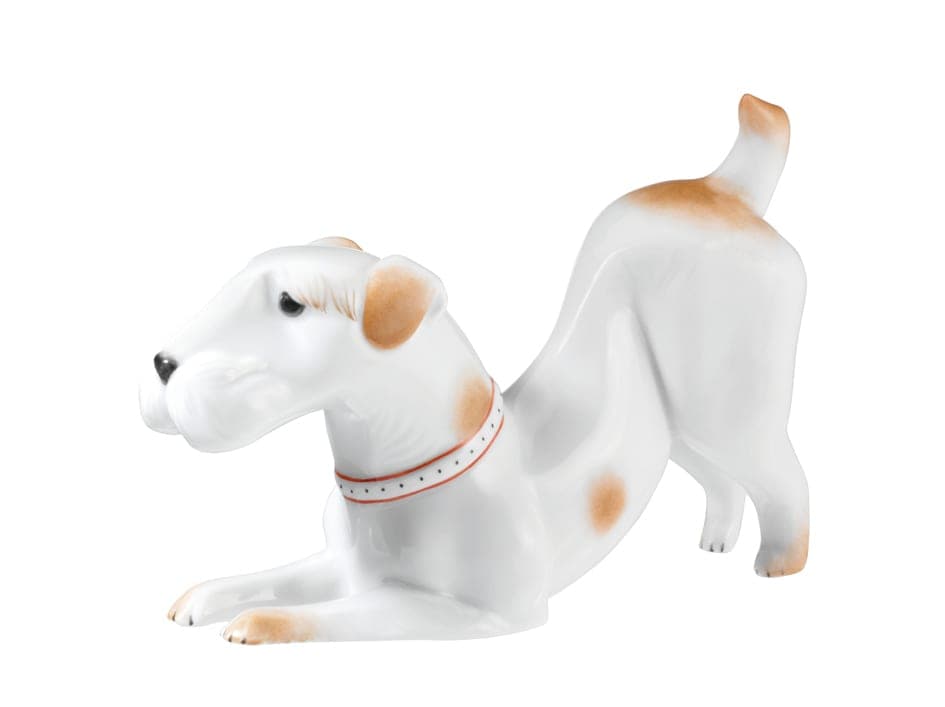
The harsh crisp jacket of a wire-coated terrier

Quick picks

The shortlist

Quick picks

Tap any row to jump to that pick’s full write-up. The price column goes straight to Amazon.

#ProductBest forScorePrice
1
A hand-stripping knife used on wire coats

Mars Professional Original stripping knife

A Solingen-made knife that will outlast the dog, the owner and probably the house.
Best hand-stripping knife7.9
2
An undercoat rake pulling loose undercoat from a dense coat

Mars Coat King undercoat rake

The practical compromise: faster than hand stripping, and matched to coat coarseness by blade count.

Best for clearing dead undercoat fast8.3
3
A detachable-blade animal clipper resting on a work surface

Andis UltraEdge AGC Super 2-Speed

Clipping a wire coat is a choice with consequences. If you make it, make it with a decent clipper.

Best clipper if you have decided to clip anyway7.1
4
Grooming shears laid flat on a bench

Kenchii Show Gear curved ball-tip shears

The jacket gets stripped; the eyebrows, beard and legs get scissored.

Best for a terrier's furnishings7.8

Scores are our own editorial assessment, not a product rating from reviews or testing. We do not print prices — every button goes to the current one on Amazon. #ad

Why stripping and not clipping

The short answer

A wire coat’s harsh texture and color live in the guard hairs. Stripping pulls dead guard hairs out at the root so new ones grow in harsh and correctly colored. Clipping cuts them off, and what grows back is softer, paler and more prone to matting. Both are legitimate for a pet; only one keeps the coat.

Choosing a blade count

Bladed rakes and stripping tools are sold by blade count, and the rule is counter-intuitive: coarser coat takes fewer blades. A harsh-jacketed wire fox terrier wants a coarse tool; a softer schnauzer coat wants a finer one. Get it wrong towards the fine end and the tool slides over the coat doing nothing. Get it wrong towards the coarse end and you thin the guard coat.

CoatTool coarsenessTypical breed
Very harsh, crisp jacketCoarse — fewest bladesWire fox terrier, border terrier
Harsh with soft undercoatMediumMiniature schnauzer, Airedale
Softer, pet-clipped for yearsFine — most bladesAny wire coat that has been clipped

Blade-count-to-coat matching per the Mars Coat King size guide (sources below).

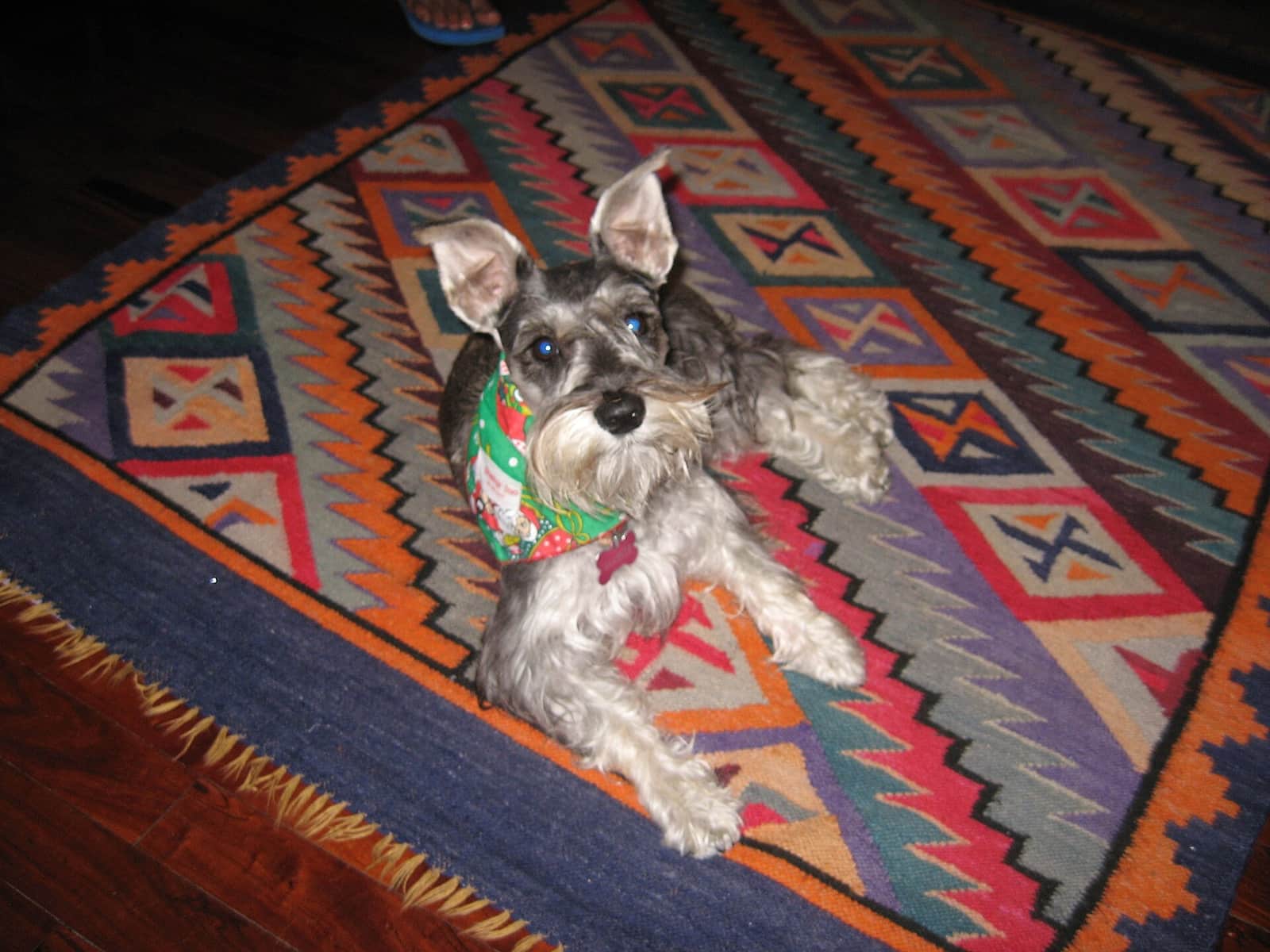
A wire-coated terrier showing the harsh jacket and softer leg furnishings
Two coats on one dog: the harsh jacket over the back and ribs, and soft furnishings on the legs, beard and eyebrows.

How hand stripping actually works

You hold a few hairs between your thumb and the knife blade and pull in the direction the coat grows. The dead hairs come away because they are already loose at the root; live hairs do not. It does not hurt a dog when the coat is ready, which is why timing matters: a coat that is “blown” strips easily, and a coat that is not yet ready resists. Work in small sections over several sessions rather than trying to do a whole dog at once.

Stripping a coat that is still tight does hurt. Stop and come back in two weeks. The whole skill is in reading when the coat is loose, and the dog tells you.

Breed routines

The practical schedules are on grooming a wire coat and the miniature schnauzer page, which covers the jacket, the beard and the eyebrows separately because they need different tools.

The picks in full

Every pick, in order

01

Best hand-stripping knife

Mars Professional Original stripping knife

A Solingen-made knife that will outlast the dog, the owner and probably the house.

A hand-stripping knife used on wire coats

Hand-stripping knife

Made in
Solingen, Germany
Blade
High-quality steel, hardwood handle
Handedness
Right- and left-handed versions sold separately
Use
Hand stripping and removing dead undercoat before clipping

Hand stripping is the correct way to maintain a wire coat, and this is the reference tool for it: German steel, hardwood handle, sold in right- and left-handed versions because the geometry matters. Used properly it pulls dead hair; used as a blade it cuts, which defeats the entire point. Expect to learn it over months rather than an afternoon.

Keeps coat harsh10.0
Durability10.0
Speed of work5.0
Learning curve4.5
Value9.0
Overall7.9 / 10

What it gets right

  • The correct tool for a wire coat: it pulls dead hair rather than cutting it, so the new coat comes back hard and colored
  • German-made steel; these outlast their owners
  • Also the fastest way to clear dead undercoat ahead of a clip on a terrier

What it gets wrong

  • Hand stripping is a learned skill and a slow one — expect hours, not minutes
  • Used wrong it cuts rather than strips, which defeats the whole purpose
  • Handedness matters, and buying the wrong one is useless

Who should skip itSkip it entirely if your dog has a soft or curly coat — stripping is for wire coats only.

Check price on Amazon

#ad How we earn · We never print a price we cannot verify

02

Best for clearing dead undercoat fast

Mars Coat King undercoat rake

The practical compromise: faster than hand stripping, and matched to coat coarseness by blade count.

An undercoat rake pulling loose undercoat from a dense coat

Bladed undercoat rake

Blade counts
Coarse (fewer blades) to fine (more blades)
Matching rule
Coarser coat takes fewer blades
Made in
Solingen, Germany

Most pet terrier owners are not going to hand strip a whole dog. A bladed rake in the right blade count clears dead undercoat quickly and keeps the jacket far better than a clipper would. The blade-count rule is the thing to get right: coarser coat takes fewer blades, finer coat takes more. Wrong count and it either does nothing or thins the guard coat permanently.

Keeps coat harsh8.0
Durability9.5
Speed of work8.5
Learning curve7.0
Value8.5
Overall8.3 / 10

What it gets right

  • Strips dead undercoat faster than any brush, including on a wire coat where a slicker is useless
  • Blade-count range means you can match the tool to the actual coat rather than hoping
  • Replaceable, sharpenable blades

What it gets wrong

  • It cuts. Used on a soft coat or with too much pressure it will thin the guard coat permanently
  • Choosing the wrong blade count makes it either useless or destructive
  • Not a finishing tool — you still need a brush and comb afterwards

Who should skip itSkip it on a doodle or any soft, curly coat — it damages what it is supposed to tidy.

Check price on Amazon

#ad How we earn · We never print a price we cannot verify

03

Best clipper if you have decided to clip anyway

Andis UltraEdge AGC Super 2-Speed

Clipping a wire coat is a choice with consequences. If you make it, make it with a decent clipper.

A detachable-blade animal clipper resting on a work surface

Corded detachable-blade clipper

Speeds
3,400 / 4,400 SPM
Motor
Rotary, corded
Blade system
Detachable A5 (UltraEdge / CeramicEdge / ShowEdge)
Cord
14 ft heavy-duty
Weight
17.6 oz
Housing
Vent-free, no cooling fan to clog

Specs: Andis — UltraEdge AGC Super 2-Speed product listing

Plenty of pet terriers are clipped rather than stripped, and that is a legitimate decision as long as you know what you are trading: the coat goes softer and paler over a few clips and will not come back harsh without being stripped down again. If that is your choice, a corded two-speed with a #7F handles a schnauzer or wire fox terrier body cleanly.

Keeps coat harsh2.0
Durability9.0
Speed of work9.5
Learning curve8.5
Value8.5
Overall7.1 / 10

What it gets right

  • Two usable speeds rather than one compromise speed — 3,400 SPM for bulk removal, 4,400 for finish work
  • Takes the whole A5 detachable blade range, so one clipper covers every coat length you will ever need
  • The vent-free housing is the reason it survives doodle coats: there is no fan intake for undercoat to pack into
  • 14 ft cord means you are not fighting an extension lead around a grooming table

What it gets wrong

  • Corded, so you work around a cable with a dog that may not stand still
  • Ships with one blade; a doodle or double coat needs at least two more, which is a real added cost
  • Heavier in the hand than a cordless unit over a long session

Who should skip itSkip it if you own one short-coated small dog — this is more clipper than that coat will ever need.

Check price on Amazon

#ad How we earn · We never print a price we cannot verify

Read the full Andis UltraEdge AGC Super 2-Speed review

04

Best for a terrier's furnishings

Kenchii Show Gear curved ball-tip shears

The jacket gets stripped; the eyebrows, beard and legs get scissored.

Grooming shears laid flat on a bench

Curved grooming shears

Blade
Curved, stainless steel
Tips
Ball tips
Best for
Rounding legs, feet, faces and topknots

A wire-coated terrier is two grooming jobs. The jacket is stripped or clipped; the furnishings — eyebrows, beard, leg hair — are shaped with shears, and getting those right is most of what makes a schnauzer look like a schnauzer. A curved ball-tipped shear is the tool, and the ball tips matter because you are working beside an eye.

Keeps coat harsh7.0
Durability9.0
Speed of work8.0
Learning curve7.0
Value8.0
Overall7.8 / 10

What it gets right

  • The curve does the shaping for you on legs and heads — a straight shear fights the shape
  • Ball tips are the single biggest safety upgrade you can make around a face or paw
  • Holds an edge far longer than a budget shear

What it gets wrong

  • A curved shear is the wrong tool for a straight line, so it is not your only shear
  • Needs proper storage and oiling or the pivot loosens
  • Costs several times a budget set

Who should skip itSkip it if you only ever tidy paw pads — a small straight shear is cheaper and better at that.

Check price on Amazon

#ad How we earn · We never print a price we cannot verify

FAQ

Questions people actually ask

Does hand stripping hurt the dog?

Not when the coat is ready to come out — the hairs are already loose at the root. It does hurt if you strip a tight coat, or if you grip too much hair at once. If the dog is reacting, stop and wait for the coat to be more ready.

Can a clipped wire coat be restored?

Usually, over several cycles of stripping the soft coat out and letting harsh coat grow in, but it takes a year or more and it is not always complete. The sooner you stop clipping, the better the outcome.

What is the difference between a stripping knife and a stripping stone?

A knife has a serrated steel edge and is for pulling coat on the body. A stone is a porous block used for fine work and for getting a grip on short coat, particularly around the head and ears. Most people start with a knife.

How often does a wire coat need stripping?

A rolled coat, maintained a section at a time, gets attention every two to four weeks. A full strip-down is a twice-yearly job. Between those, the furnishings need scissoring every four to six weeks.

How this page was put together

We define the coat problem the tool has to solve, shortlist products currently sold, compare the manufacturers’ documented specifications against what that coat actually needs, and cross-check against published findings from named sources. We do not test these tools on our own dogs under controlled conditions, and we will not say we do. Where a figure comes from a manufacturer, we name them; where it comes from someone else’s testing, we cite them. We print no prices — a stale number is worse than none. Read the full method.

Sources

  1. 01Mars Coat King — size guide (blade count to coat matching)
  2. 02Mars Coat King — Original stripping knife, right-handed
  3. 03Lowchens Australia — Guide to choosing a Mars Coat King for your breed